Looking to supercharge your sales team? An only sales CRM might be the game-changer you need. Focused, fast, and built purely for closing deals, it cuts through the noise and puts revenue at the center of everything.
What Is an Only Sales CRM and Why It’s a Game-Changer

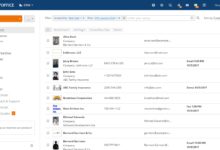
An only sales CRM is a customer relationship management system designed exclusively for sales teams. Unlike full-suite CRMs that include marketing, service, and analytics modules, an only sales CRM strips away the extras to deliver a lean, agile platform focused solely on managing leads, tracking deals, and accelerating the sales cycle.
Defining the Core Concept
The term ‘only sales CRM’ emphasizes specialization. It’s not about managing every customer touchpoint—it’s about empowering salespeople to sell more efficiently. By removing non-essential features like marketing automation or customer support tickets, these platforms reduce complexity and improve user adoption.
- Designed specifically for sales reps and managers
- Excludes marketing, service, and HR modules
- Prioritizes deal tracking, pipeline visibility, and contact management
This laser-focused approach ensures that every feature serves a direct purpose in the sales process. According to Salesforce, companies using CRM systems see a 29% increase in sales performance—when that system is tailored exclusively for sales, the impact can be even greater.
How It Differs from Traditional CRMs
Traditional CRMs like HubSpot or Zoho offer a wide array of tools across departments. While this can be beneficial for large organizations, it often overwhelms sales teams with clutter. An only sales CRM eliminates this friction.
“When your CRM feels like a maze, your reps stop using it. Simplicity wins in sales.” — Sales Leadership Report, 2023
Key differences include:
- Interface Simplicity: Clean dashboards with only sales-relevant KPIs
- Onboarding Speed: New reps can start logging calls and updating deals within hours
- Customization: Fields and workflows are pre-optimized for sales stages, not marketing funnels
For example, while a full CRM might track email open rates from a campaign, an only sales CRM focuses on whether that email led to a meeting or a deal progression.
The Top 7 Benefits of Using an Only Sales CRM
Adopting an only sales CRM isn’t just about having fewer features—it’s about gaining strategic advantages that directly impact revenue. These platforms are engineered to boost productivity, improve forecasting accuracy, and enhance team collaboration.
1. Increased Sales Productivity
Sales reps waste up to 64 minutes per day on administrative tasks, according to Nucleus Research. An only sales CRM reduces this burden by automating data entry, logging calls, and syncing calendars.
- Auto-logging of emails and calls via integrations with Gmail and Outlook
- One-click deal updates and stage progression
- Quick-add contact forms that minimize typing
With less time spent on manual updates, reps can focus on high-value activities like prospecting and closing.
2. Enhanced Pipeline Visibility
One of the biggest challenges in sales management is understanding where deals stand. An only sales CRM provides real-time visibility into every stage of the pipeline.
- Drag-and-drop deal boards similar to Trello or Kanban
- Color-coded deal health indicators (e.g., red for stalled, green for active)
- Forecasting tools based on historical win rates and deal velocity
This clarity allows managers to spot bottlenecks early and intervene before deals slip through the cracks.
3. Faster Onboarding and Adoption
Complex CRMs often suffer from low user adoption. A study by Capterra found that 43% of employees avoid using their CRM due to complexity. An only sales CRM solves this with intuitive design.
- Mobile-first interfaces that work seamlessly on smartphones
- Guided setup wizards for new users
- In-app tooltips and contextual help
Teams report up to 80% faster onboarding when switching to a simplified, sales-only platform.
Key Features to Look for in an Only Sales CRM
Not all only sales CRMs are created equal. To get the most value, focus on platforms that deliver core functionalities essential for modern sales teams. These features should support the entire sales lifecycle—from lead capture to post-sale follow-up—without unnecessary bloat.
Lead and Contact Management
The foundation of any only sales CRM is robust contact management. This includes capturing leads from multiple sources and organizing them for easy access.
- Automated lead capture from web forms, emails, and social media
- Duplicate detection and merge tools
- Custom fields for tracking industry, budget, or decision-maker status
Platforms like Pipedrive excel here, offering visual contact timelines and relationship mapping.
Deal Pipeline Tracking
A visual pipeline is the heartbeat of an only sales CRM. It allows reps to see where each opportunity stands and what actions are needed next.
- Customizable sales stages (e.g., Discovery, Proposal, Negotiation)
- Drag-and-drop functionality to move deals between stages
- Automated reminders for follow-ups and overdue tasks
Some CRMs even offer AI-powered suggestions for the next best action based on past deal patterns.
Activity Logging and Automation
Manual logging kills momentum. The best only sales CRMs automate routine tasks so reps can stay in the flow.
- Automatic call and email logging via integrations
- Task automation (e.g., create a follow-up task after a meeting)
- Workflow triggers (e.g., send a proposal template when deal reaches ‘Proposal’ stage)
According to Gartner, automation in CRM can reduce administrative workload by up to 40%, freeing reps for more selling time.
Top 5 Only Sales CRM Platforms in 2024
With dozens of options on the market, choosing the right only sales CRM can be overwhelming. Below is a curated list of the top five platforms that prioritize sales efficiency, usability, and scalability.
1. Pipedrive
Pipedrive is often cited as the gold standard for only sales CRMs. Its visual pipeline interface makes it easy for reps to manage deals at a glance.
- Strengths: Intuitive UI, strong automation, mobile app
- Best for: SMBs and sales-first startups
- Pricing: Starts at $14.90/user/month
Learn more at pipedrive.com.
2. Close CRM
Close is built by salespeople, for salespeople. It integrates calling, emailing, and CRM functions into a single workspace.
- Strengths: Built-in VoIP, email sequencing, high-speed dialing
- Best for: High-volume outbound teams
- Pricing: Starts at $59/user/month
Visit close.com for a free trial.
3. Freshsales (Now Freshworks CRM)
Freshsales offers a clean, modern interface with AI-driven insights and strong lead scoring.
- Strengths: AI-based deal insights, built-in phone and email, visual timeline
- Best for: Growing sales teams needing smart automation
- Pricing: Free plan available; paid starts at $15/user/month
Explore at freshworks.com/crm.
4. Agile CRM
While Agile CRM includes some marketing features, its sales-focused layout and automation make it a strong contender for lean teams.
- Strengths: Affordable all-in-one solution, good integrations
- Best for: Small businesses wanting flexibility
- Pricing: Free for up to 10 users; paid from $14.99/user/month
Check it out at agilecrm.com.
5. Streak CRM (for Gmail Users)
Streak turns Gmail into a lightweight only sales CRM, perfect for teams already embedded in Google Workspace.
- Strengths: Seamless Gmail integration, simple pipeline management
- Best for: Solopreneurs and small teams using Gmail
- Pricing: Free plan; Pro at $49/user/month
Get started at streak.com.
How to Choose the Right Only Sales CRM for Your Team
Selecting the right only sales CRM requires more than just comparing features. It’s about aligning the tool with your team’s workflow, size, and sales methodology. A poor fit can lead to low adoption and wasted investment.
Assess Your Sales Process First
Before evaluating software, map out your current sales process. Identify key stages, decision points, and common bottlenecks.
- How many touchpoints does a typical deal require?
- What tools do reps currently use (spreadsheets, email, notes)?
- Where do deals usually stall?
This audit will help you determine which CRM features are essential versus nice-to-have.
Consider Team Size and Structure
A CRM that works for a 5-person startup may not scale for a 50-person enterprise sales team.
- Small Teams: Prioritize ease of use and affordability (e.g., Streak, Freshsales)
- Mid-Sized Teams: Look for automation and pipeline customization (e.g., Pipedrive, Close)
- Large Teams: Require role-based access, advanced reporting, and API integrations
Also consider whether your team is remote, in-office, or hybrid—mobile access becomes critical in distributed environments.
Test for Integration Compatibility
Your only sales CRM should connect seamlessly with existing tools like email, calendar, calling platforms, and business intelligence software.
- Does it integrate with Gmail, Outlook, or Microsoft 365?
- Can it sync with Zoom, Teams, or Google Meet?
- Does it support Zapier or native API for custom workflows?
For example, Close CRM integrates directly with over 800 apps via Zapier, making it highly adaptable.
Implementing an Only Sales CRM: Best Practices
Rolling out a new CRM isn’t just a technical task—it’s a change management challenge. Even the best only sales CRM will fail if not adopted properly by the team.
Start with a Pilot Group
Instead of a company-wide rollout, begin with a small group of power users or a single sales team.
- Choose reps who are tech-savvy and open to feedback
- Run a 2-4 week pilot to test workflows and identify pain points
- Use feedback to refine settings before full deployment
This approach reduces resistance and builds internal champions.
Provide Hands-On Training
Don’t assume reps will figure it out. Invest in structured onboarding.
- Host live training sessions (not just videos)
- Create quick-reference guides and cheat sheets
- Assign CRM mentors within the team
According to Forrester, companies that invest in CRM training see 2.5x higher user adoption rates.
Align Incentives with Usage
Make CRM usage part of performance metrics.
- Tie commission eligibility to complete deal logging
- Recognize top CRM users in team meetings
- Run friendly competitions for most updated deals
When reps see the CRM as a tool for success, not a chore, adoption soars.
Common Pitfalls to Avoid with Only Sales CRM
Even with the best intentions, teams can fall into traps that undermine the value of their only sales CRM. Awareness of these pitfalls is the first step to avoiding them.
Over-Customization
While customization is powerful, too many fields, stages, or workflows can paralyze users.
- Stick to 5-7 sales stages max
- Limit custom fields to only those that impact decision-making
- Avoid creating separate pipelines for every niche use case
Remember: simplicity drives adoption.
Ignoring Data Hygiene
A CRM is only as good as the data inside it. Inaccurate or outdated records lead to missed opportunities.
- Schedule monthly data cleanup sessions
- Use deduplication tools regularly
- Enforce mandatory field completion for key deals
Set up automated alerts for stale leads (e.g., no activity in 14 days).
Skipping Regular Reviews
Don’t set it and forget it. Regular check-ins ensure the CRM evolves with your team.
- Hold quarterly CRM health audits
- Review user feedback and feature requests
- Update pipelines to reflect changes in sales strategy
These reviews keep the system aligned with real-world needs.
Future Trends in Only Sales CRM Technology
The only sales CRM space is evolving rapidly, driven by AI, automation, and changing buyer behaviors. Staying ahead of these trends ensures your team remains competitive.
AI-Powered Sales Assistants
Next-gen only sales CRMs are embedding AI to act as virtual sales coaches.
- Real-time call transcription and sentiment analysis
- Predictive lead scoring based on engagement patterns
- Automated email drafting using natural language generation
For example, Gong integrates with CRMs to provide AI-driven insights from sales calls.
Mobile-First and Voice-Activated Interfaces
As reps spend more time on the go, mobile functionality is no longer optional.
- Offline access to deals and contacts
- Voice-to-CRM logging (e.g., “Log a call with John about pricing”)
- Push notifications for urgent deal updates
Platforms like Close and Pipedrive are leading in mobile UX design.
Deep Integration with Revenue Intelligence
The line between CRM and revenue intelligence is blurring. Future only sales CRMs will offer deeper analytics on deal health, rep performance, and market trends.
- Automated forecasting with 90%+ accuracy
- Competitor intelligence feeds within deal records
- Churn risk alerts for renewal deals
This shift turns the CRM from a data repository into a strategic decision engine.
What is an only sales CRM?
An only sales CRM is a streamlined customer relationship management system built exclusively for sales teams. It focuses on lead tracking, deal management, and pipeline visibility without the extra modules found in full-suite CRMs.
How is it different from a traditional CRM?
Traditional CRMs include marketing, service, and analytics tools. An only sales CRM removes these to deliver a faster, simpler, and more sales-focused experience that boosts adoption and productivity.
Can small businesses benefit from an only sales CRM?
Absolutely. Small businesses often lack the resources for complex systems. An only sales CRM offers affordability, ease of use, and quick setup—perfect for startups and growing teams.
Which only sales CRM is best for cold calling?
Close CRM is widely regarded as the best for cold calling due to its built-in power dialer, email sequencing, and call tracking—all within the CRM interface.
Do only sales CRMs support integrations?
Yes, most top only sales CRMs support integrations with email, calendar, calling apps, and tools like Zapier, Slack, and Google Workspace for seamless workflow automation.
Choosing the right only sales CRM can transform your sales team from reactive to proactive. By focusing on simplicity, speed, and sales-specific functionality, these platforms eliminate friction and put revenue generation at the forefront. Whether you’re a solopreneur or managing a growing team, an only sales CRM offers the clarity, automation, and insight needed to close more deals and grow faster. The key is selecting a platform that aligns with your process, training your team effectively, and avoiding common pitfalls like over-customization. As AI and mobile technologies advance, the future of only sales CRM looks smarter and more intuitive than ever—making now the perfect time to make the switch.
Recommended for you 👇
Further Reading:
